Mulching: Benefits and Best Practices
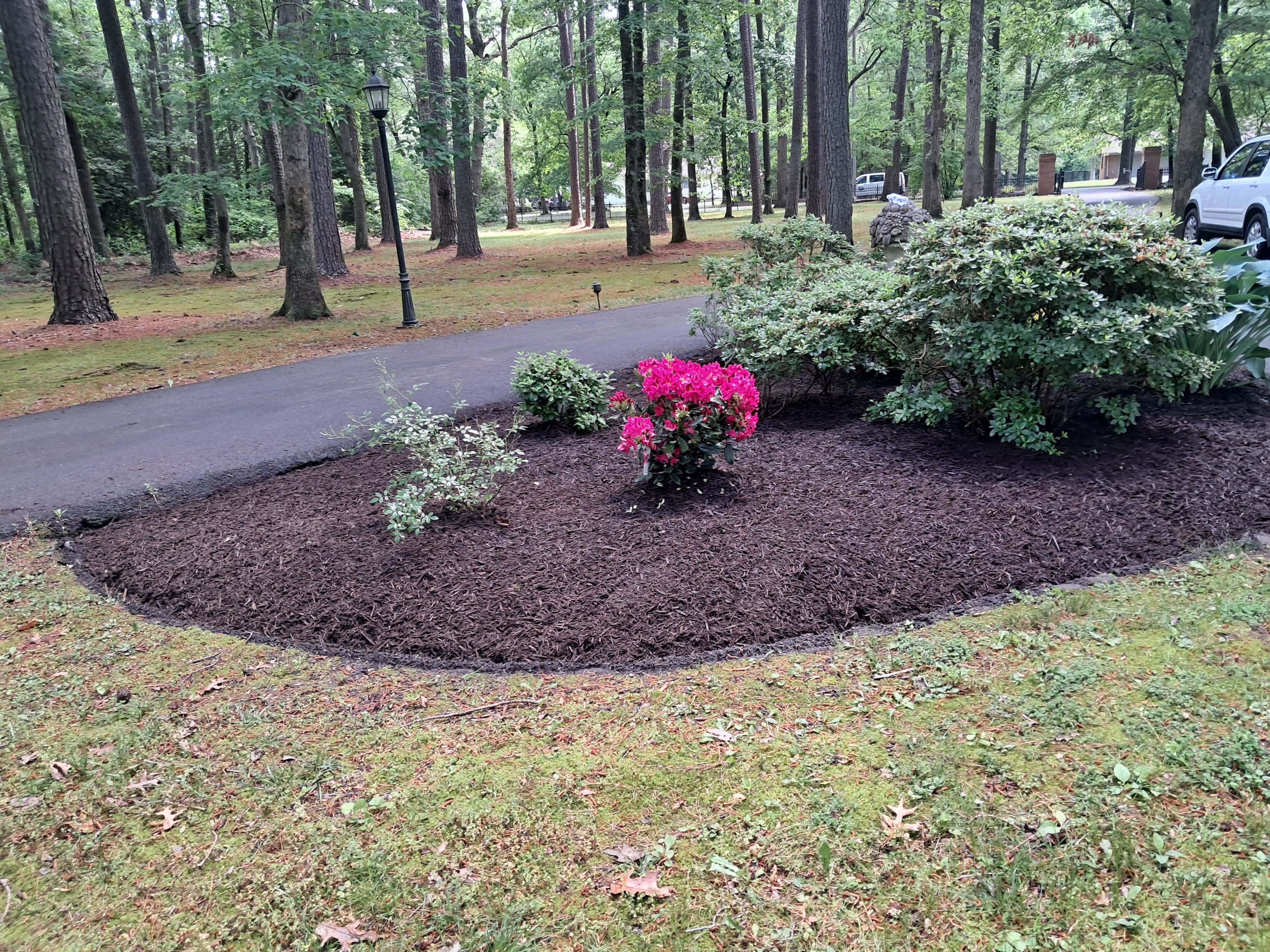
Mulching is a fundamental practice in gardening and landscaping that can significantly enhance the health and appearance of your plants. By applying a layer of material on the soil surface, gardeners can provide numerous benefits to their plants while also improving the overall aesthetics of their outdoor spaces.
What is Mulching?
Mulching refers to the process of covering the soil surface with various materials, known as mulch. These materials can be organic, such as wood chips, straw, or shredded leaves, or inorganic, like plastic sheeting or gravel. The choice of mulch depends on the gardener's goals and the specific needs of the plants.
Benefits of Mulching
- Weed suppression: Mulch inhibits weed growth by blocking sunlight.
- Moisture retention: It helps maintain soil moisture, reducing the need for frequent watering.
- Temperature regulation: Mulch insulates the soil, keeping it cooler in summer and warmer in winter.
- Soil enrichment: Organic mulches decompose over time, adding nutrients back into the soil.
- Erosion control: It protects soil from erosion caused by wind and water.
Types of Mulch
Organic Mulch
Organic mulch consists of natural materials that decompose over time, enriching the soil. Common types include:
- Wood chips
- Bark
- Straw
- Grass clippings
- Shredded leaves
Inorganic Mulch
Inorganic mulch does not decompose and can last for many years. Examples include:
- Plastic sheeting
- Landscape fabric
- Gravel
- Rubber mulch
Best Practices for Mulching
To maximize the benefits of mulching, consider the following best practices:
- Apply a layer of mulch 2-4 inches thick for optimal coverage.
- Keep mulch away from the base of plants to prevent rot.
- Replenish mulch annually to maintain thickness and effectiveness.
- Choose mulch that complements the aesthetic of your garden.
- Test soil moisture levels before watering to avoid over-saturation.
Common Mistakes to Avoid
While mulching can offer numerous benefits, there are common mistakes to watch out for:
- Over-mulching: Too much mulch can suffocate plants and prevent water from reaching the soil.
- Using fresh wood chips: Fresh chips can tie up nitrogen in the soil, leading to nutrient deficiencies.
- Ignoring drainage: Ensure that mulch does not block water drainage areas, which can lead to pooling and root rot.
Conclusion
Mulching is a valuable practice for any gardener looking to improve plant health and garden aesthetics. By selecting the right type of mulch, applying it correctly, and avoiding common pitfalls, you can create a thriving environment for your plants. Whether you choose organic or inorganic options, the benefits of mulching will help you achieve a beautifully maintained garden.